
5. Maintenance
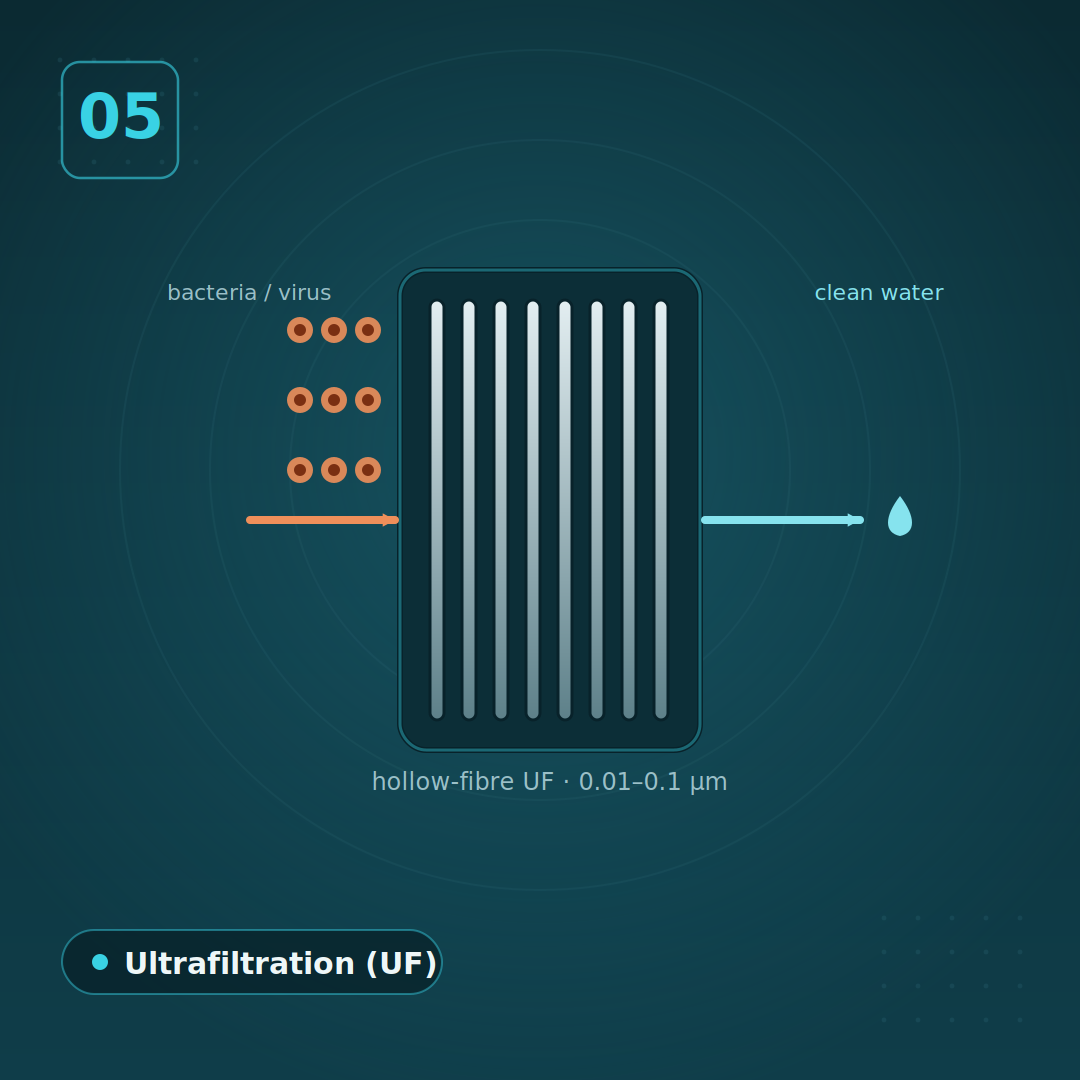
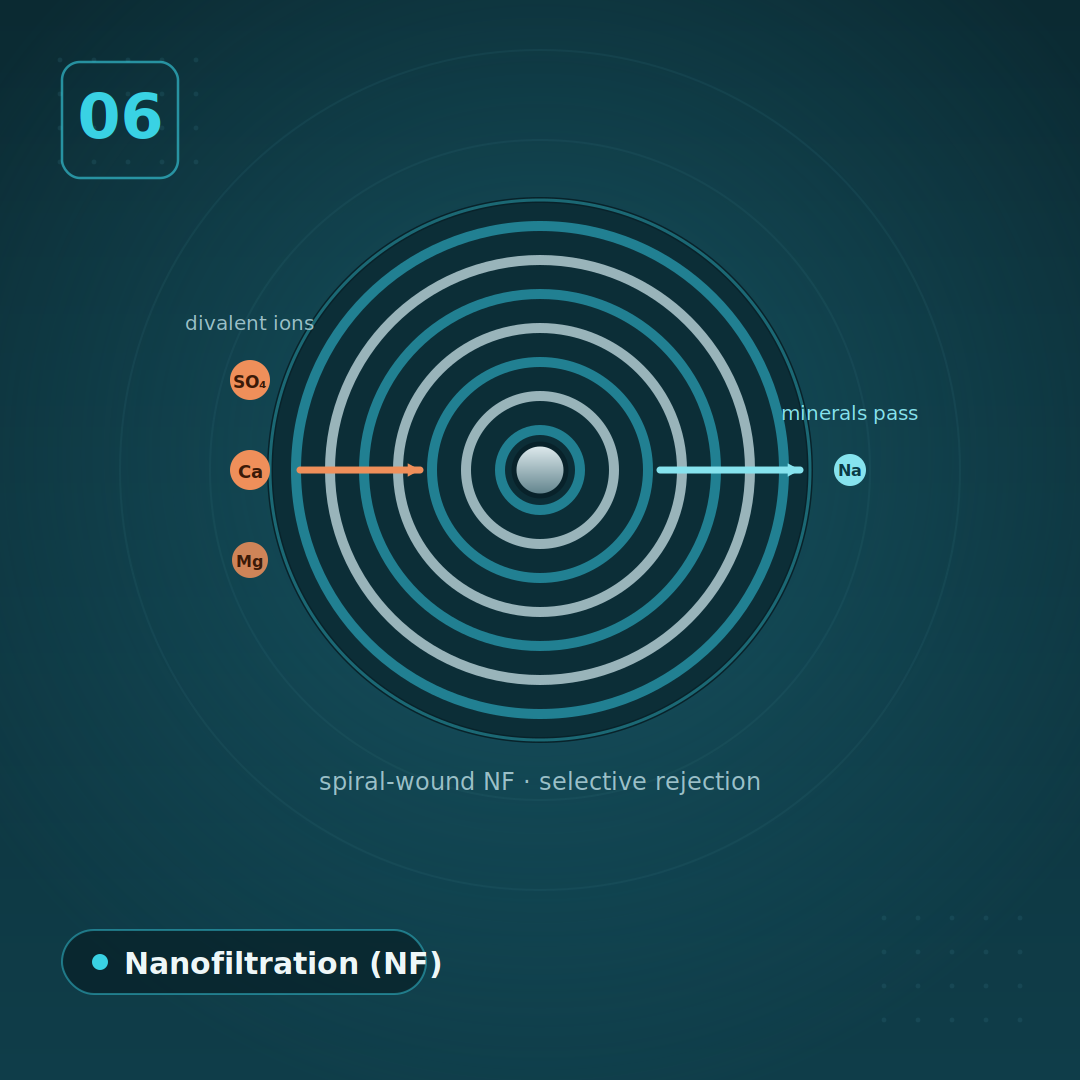
Scheduled Clean-In-Place (CIP) procedures for all water treatment plant equipment — including RO systems, ultrafiltration units, and nanofiltration systems. CIP removes biofilm, scale, and organic fouling from membranes and vessel internals, restoring system performance and protecting water quality. All CIP procedures are conducted to validated protocols with pre- and post-CIP water quality verification.
Ongoing supply of precursor chemicals for on-site chlorine dioxide generation — including sodium chlorite and hydrochloric acid or sodium persulfate, delivered to site and managed within your chemical management system. Chemical supply is provided on a scheduled basis aligned to your production volume and dosing requirements, with full safety data sheets, delivery documentation, and stock management support.
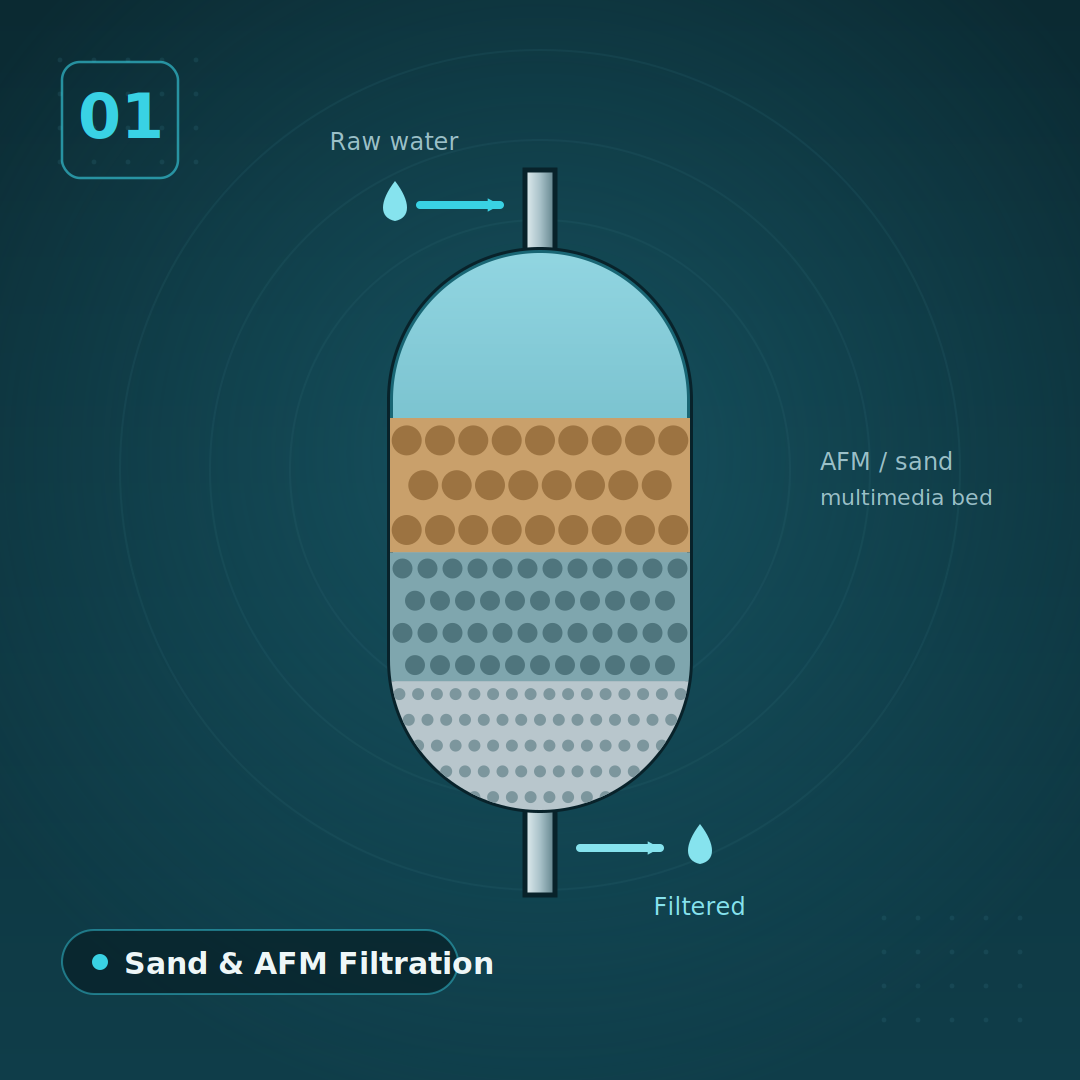
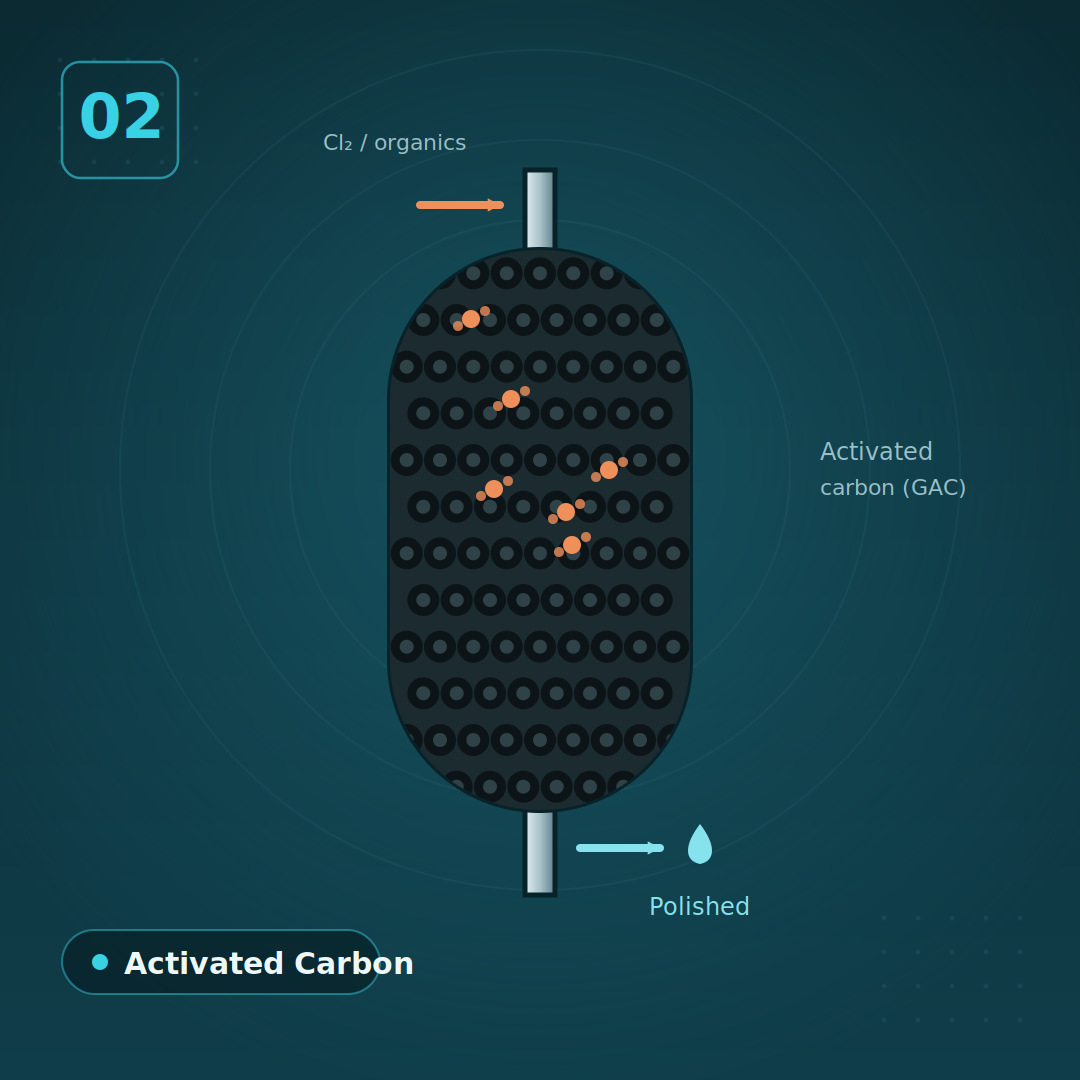
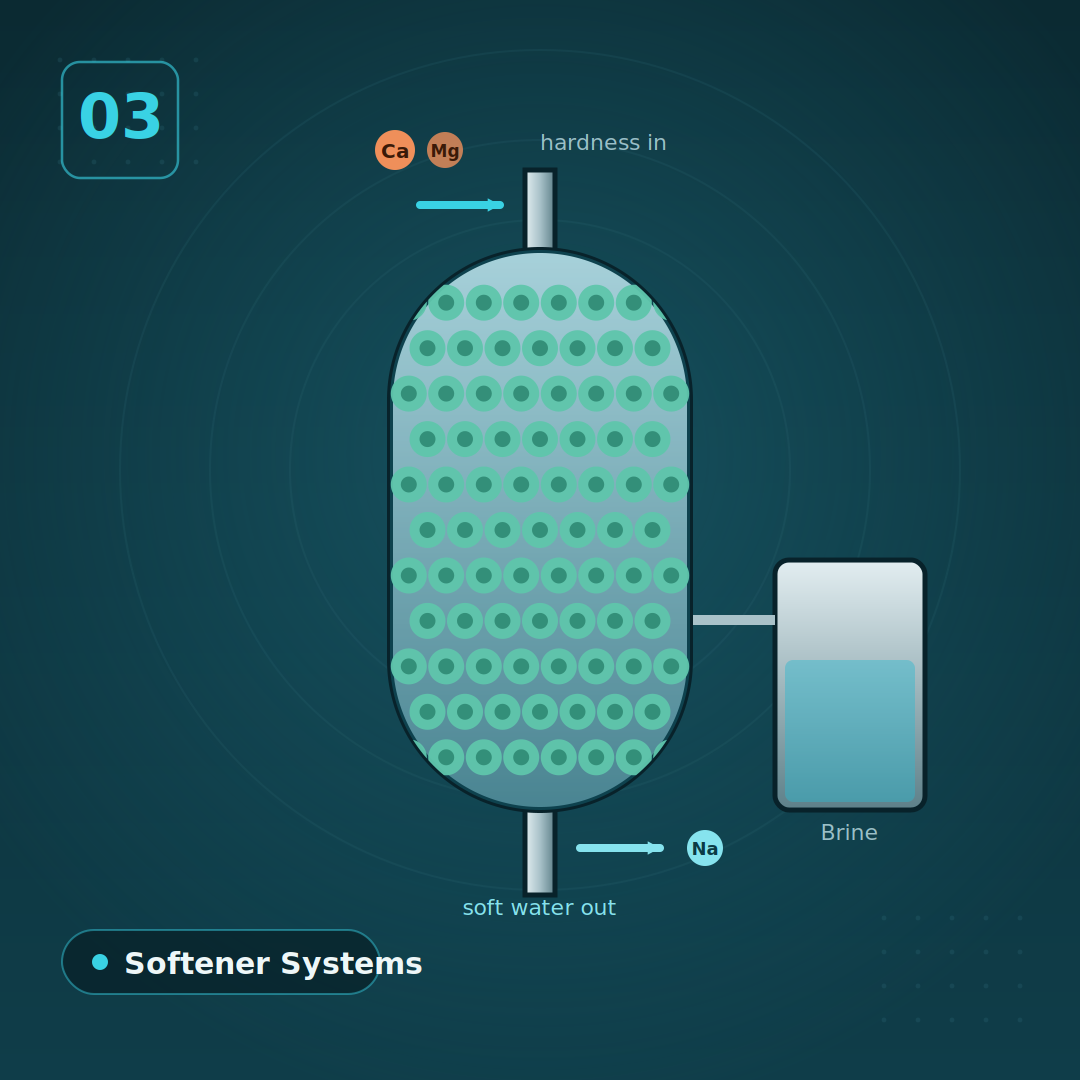
Service and replacement of filter media in pre-treatment pressure vessels — covering activated carbon (GAC), Activated Filter Media (AFM), and softener resin. Media is monitored for depletion and performance degradation, and replaced at validated intervals before quality deterioration can impact downstream production water quality. All media removed and new media installed with full change record documentation.
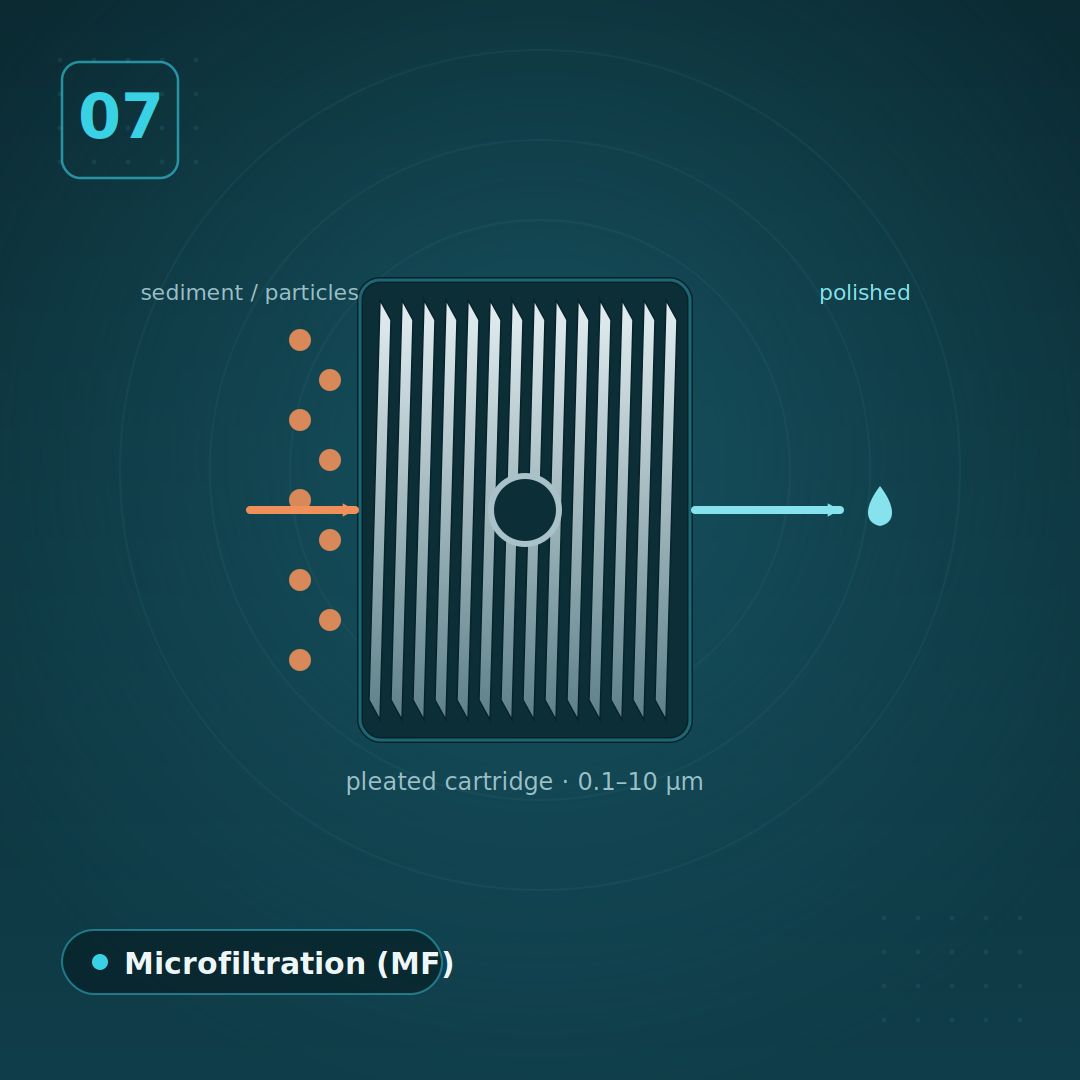
Scheduled supply and replacement of all consumable filter cartridges across the pre-treatment and polishing systems — including microfiltration guard cartridges, polypropylene depth filters, and absolute-rated cartridges at critical points. Replacement is carried out at validated intervals based on differential pressure, production volume, or elapsed time — whichever trigger occurs first — with full cartridge traceability records.
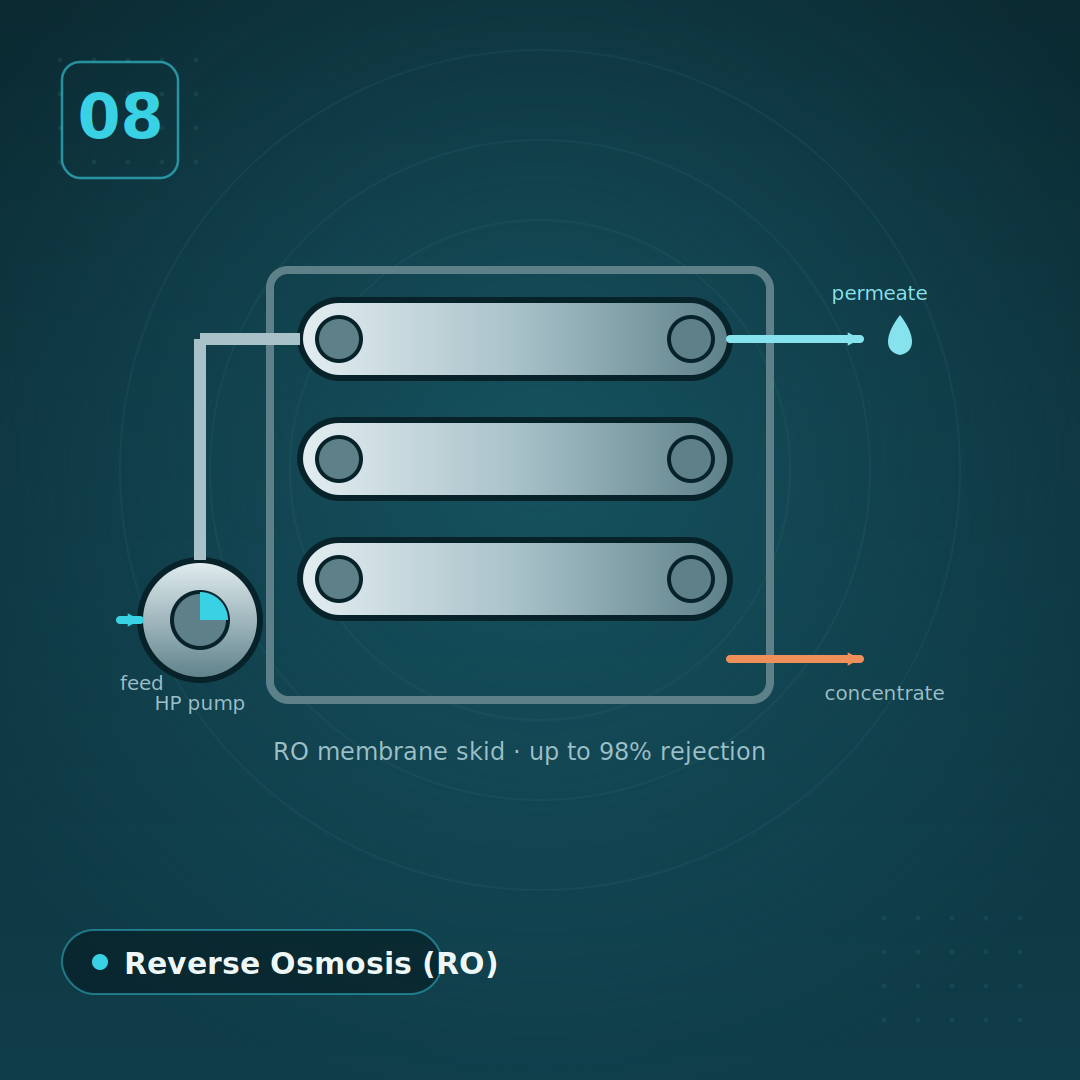
Supply and installation of replacement RO, UF, and NF membranes at validated end-of-life intervals or on performance-based triggers (flux decline, salt passage increase, or differential pressure rise). All membranes are sourced from approved manufacturers with full certification documentation. Post-replacement performance testing confirms the system has returned to specification before being returned to production service.
A formal Service Level Agreement (SLA) covering monthly scheduled site visits by a qualified Thwalokuhle service engineer. Each visit includes a full operational inspection of all system components, review of water quality data trends, calibration checks, chemical stock assessment, and documentation of any maintenance actions or recommendations. A written inspection report is issued after each visit — formatted to support your FSSC 22000 documentation requirements and internal quality audits.